
Start a Sheboygan Residents Search
A useful search begins with a record type, not a broad hunt for a person. An address question should start in the Sheboygan County property and GIS systems. A name tied to an election record belongs in MyVote. A recorded transfer belongs with the Register of Deeds. A public court matter belongs in WCCA. Family history is usually better served by Mead Public Library, the Sheboygan County Historical Research Center, or the University of Wisconsin digital collection.
Keep the source date beside every result. An owner name, tax mailing address, deed party, directory entry, and voter result describe different relationships. Together they can support a careful conclusion. Alone, none is a complete Sheboygan residents directory.
- Write down the exact name or standardized street address and relevant time period.
- Check the county land portal and GIS for parcel, municipality, owner, and mailing address.
- Use the official state or local index that matches the question.
- Follow a document number or library citation to the underlying record.
- Ask the named custodian for a narrow record when online access stops.
Sheboygan Residents Records Custodians
Sheboygan records are split by the office that created or maintains them. The Register of Deeds keeps recorded land instruments and vital registration. Treasurer and Real Property Listing data power the parcel and tax search. The County Clerk handles elections and county records, while the City Clerk keeps municipal legislation, minutes, hearings, and city requests. No central portal contains every resident record.
Historical research may instead require Mead, SCHRC, or a state archive. Verify office hours before visiting.
Sheboygan Property Search Fields
The Land Records and Tax Web Portal is the strongest first stop for a current address. Official help describes name, parcel, and house-number searching. Select a result to open parcel and tax material. The portal says legal descriptions are abbreviated and tax bills reach back at least ten years. Use a recorded deed when the full legal description matters.
| Input | How it is used | Likely result |
|---|---|---|
| Parcel number | County identifier | Direct parcel match |
| Last name | Owner surname | Candidate properties |
| First name | Name refinement | Narrower result set |
| House number | Number or rural form | Address candidates |
A match names a tax-listed owner. It does not establish current occupancy.
The official capture shows the current entry point. Compare the live property portal before searching.
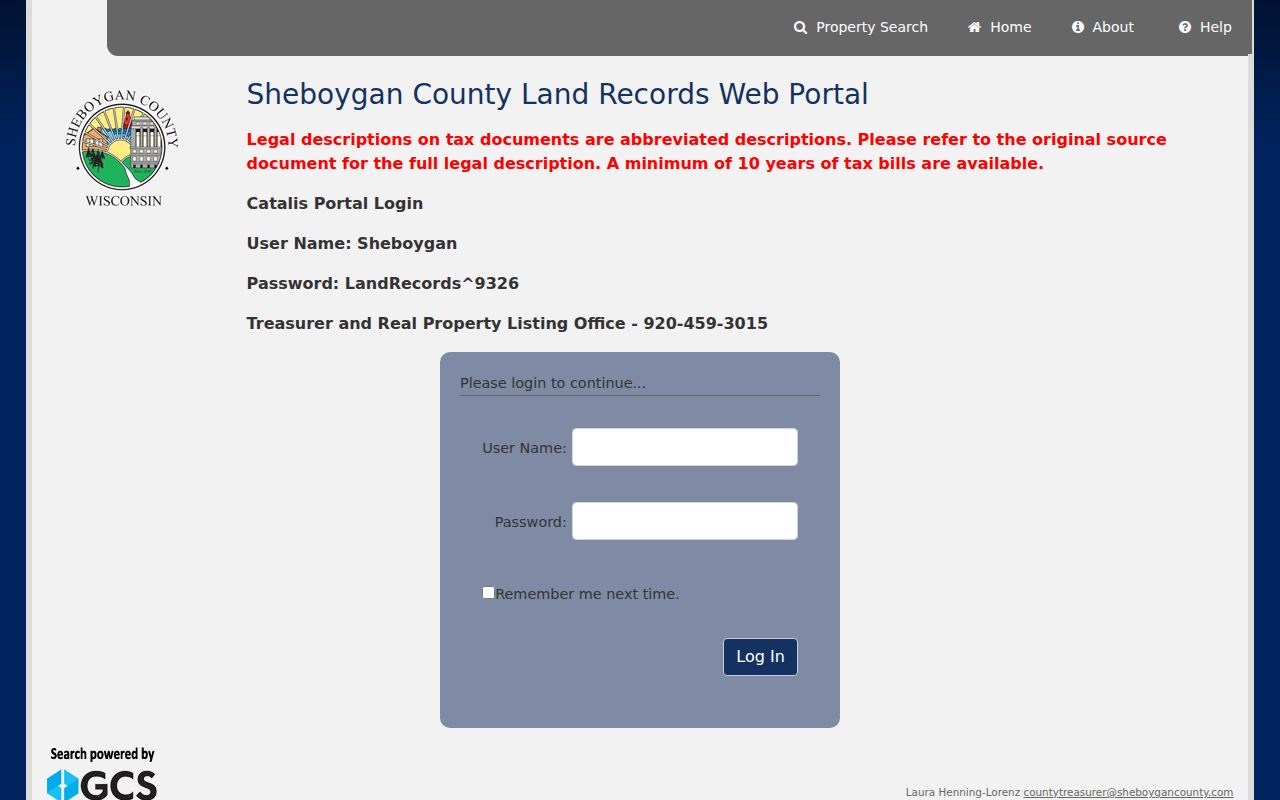
The fields make the parcel a useful bridge to deeds, maps, and permits.
Current Sheboygan Residents Directory Sources
Modern directory-like sources differ in scope. Property data describes title and taxation. MyVote gives an elector an official route to election information. WCCA publishes public case summaries. City staff pages identify public roles, and neighborhood pages describe civic groups rather than private membership.
| Source | Evidence | Keeper | Access |
|---|---|---|---|
| Land portal | Parcel, tax owner, bills | County Treasurer | Free portal |
| Parcel GIS | Situs, municipality, owner, mailing fields | County GIS | Viewer and data layer |
| MyVote | Personal voter and polling details | Wisconsin Elections Commission | Name or address |
| WCCA | Public circuit case summaries | Wisconsin courts | Dynamic search |
| City archive | Indexed municipal items | City Clerk | Keyword and date |
Official rolls have custodians and defined purposes. Commercial people-finder data often blends old sources without a clear date. Treat that category only as an unverified lead.
Sheboygan Voter Lookup Paths
Wisconsin MyVote separates name and address workflows. The personal voter search requires first name, last name, and date of birth. The address route supplies polling-place and district information. It is not a public street roster, and a failed match does not prove that a person is unregistered.
The research capture shows both routes. Check the current MyVote interface before entering data.
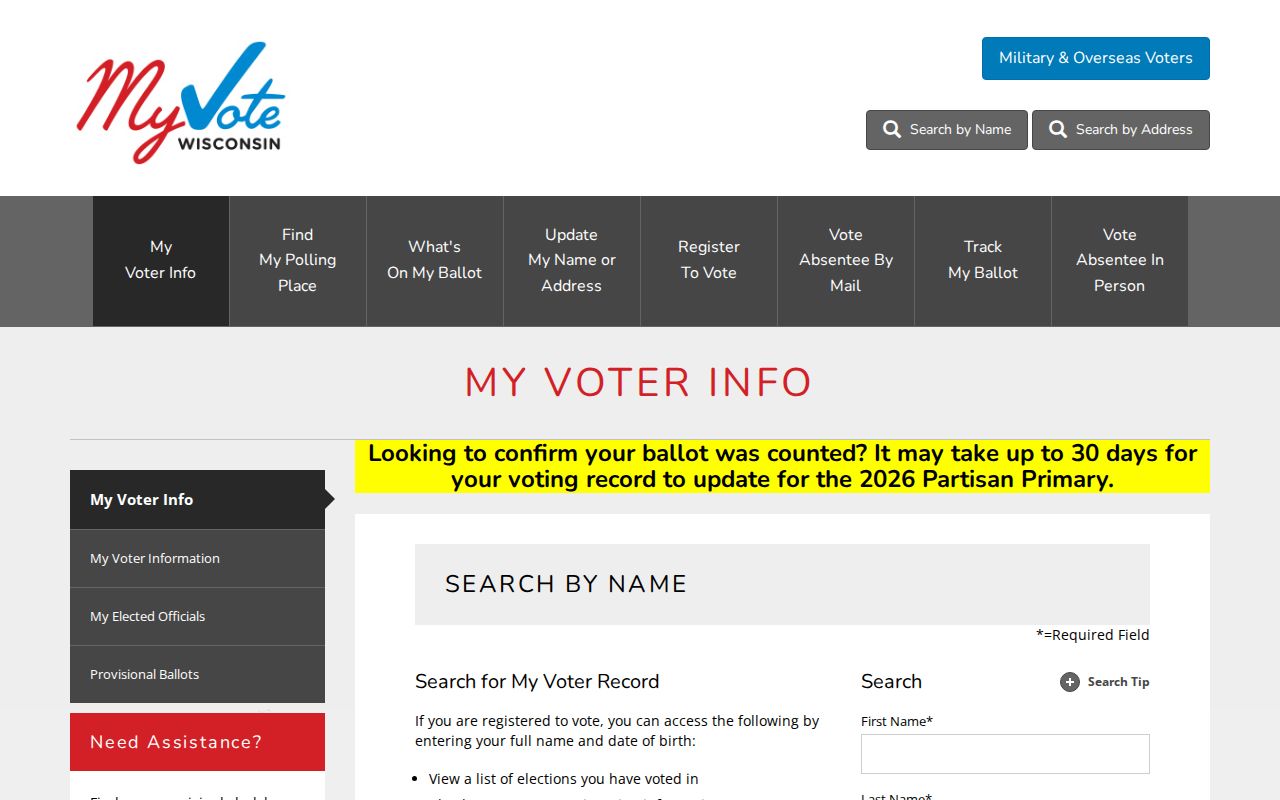
Protected electors and Safe at Home participants require care. Never infer an actual address from a substitute address or missing result.
Sheboygan Court Record Matches
The Wisconsin Circuit Court Access search publishes public circuit-court summaries. Record the case number, caption, party, court, event dates, and disposition before requesting a document. A docket is a list of case filings and events. A disposition states how a matter ended. An allegation or matching name is not proof of identity or residence.
The WCCA capture shows the dynamic search and public-result warning. Review state court guidance for current terms.
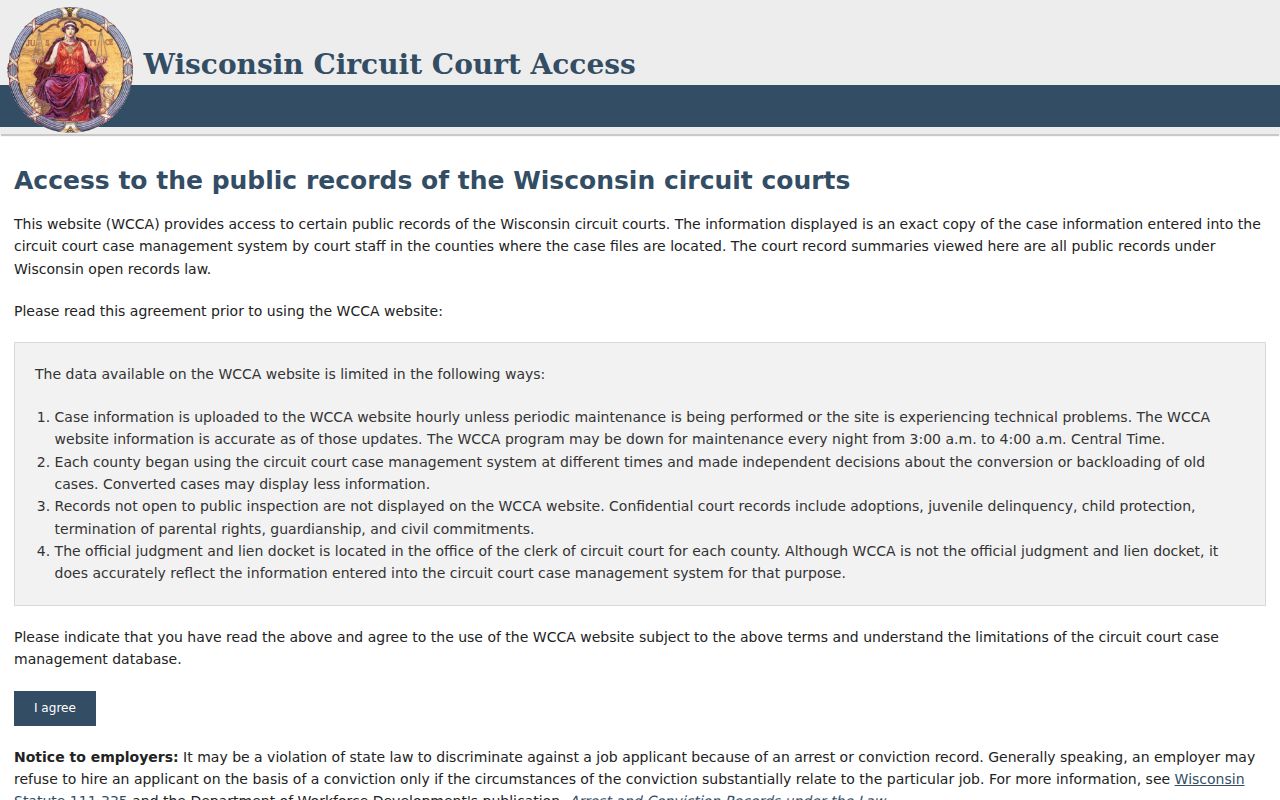
The Clerk of Circuit Courts handles copies. Providing a case number avoids the documented search fee.
Sheboygan Records Request Fallback
When no portal exposes a needed municipal record, use the City open-records route. Identify the department, record, address or event, and date range. The city lists online, phone, and in-person methods and gives a typical seven to ten working-day response. It may require prepayment above $5 and locating costs above $50. Wisconsin law uses the broader standard of response as soon as practicable and without delay.
The city capture shows request buttons and access notes. The online request portal is dynamic, so preserve a dated copy of the request.
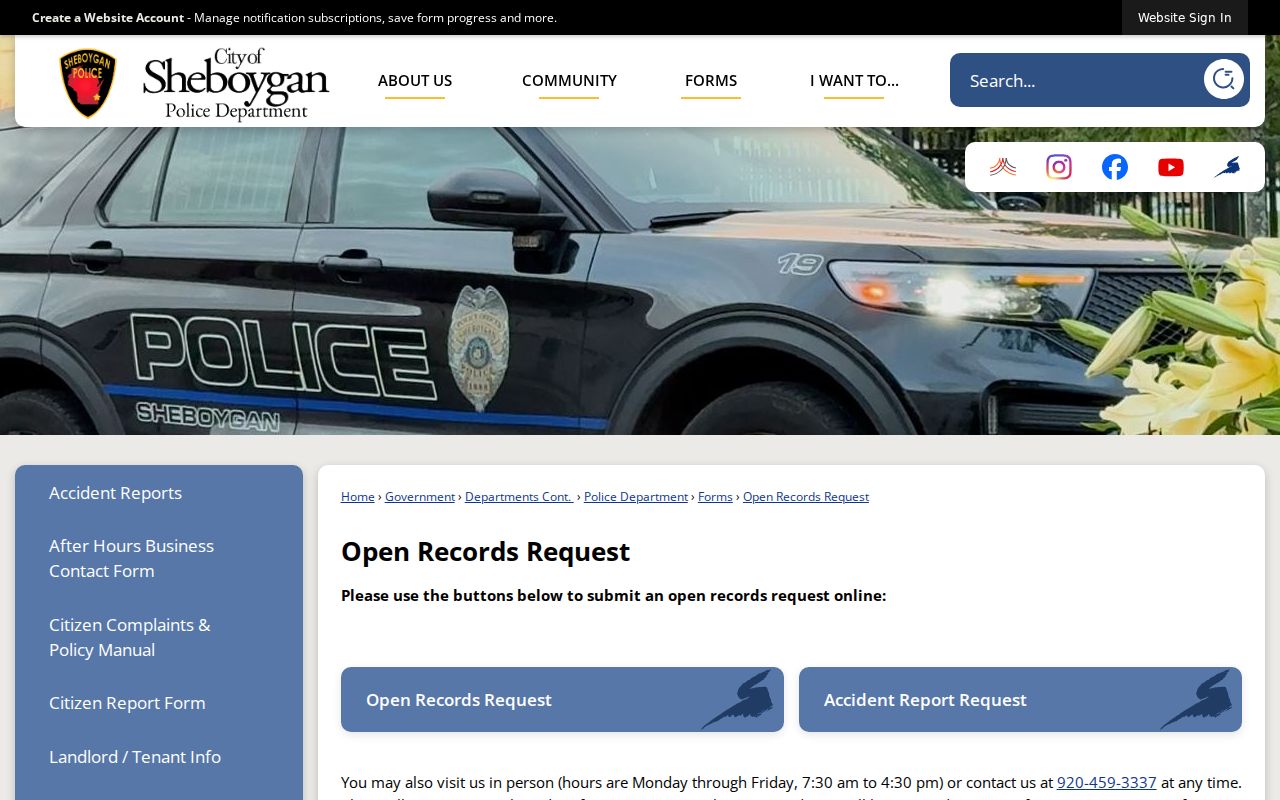
Older permits may require the Building Division counter. Land, court, sheriff, and vital files have separate custodians.
Sheboygan Deeds Link Names
The Register of Deeds route connects a current parcel to recorded transfers. Follow grantor and grantee names backward. A grantor transfers an interest; a grantee receives it. Document number or volume and page is stronger than a name alone.
E-recording began in 2008, and the first e-recorded deed followed in 2010. The county reported back-indexing to 1938 and closure of the 1932 to 1938 gap. Those project dates do not promise every image is free online. Call the office when an older instrument or certified copy is needed.
Sheboygan Resident Record Terms
Short definitions prevent large errors in a Sheboygan residents directory search. Keep each source's label intact.
- Roll
- An official list kept for a defined purpose, such as taxation or elections.
- Index
- A finding aid that points to a record but may omit the document.
- Parcel
- A mapped unit of land with a county identifier.
- Criss-cross directory
- A directory arranged by street and house number.
A parcel is about land. A directory entry is a dated published association.
Older Sheboygan Residents Directory Shelves
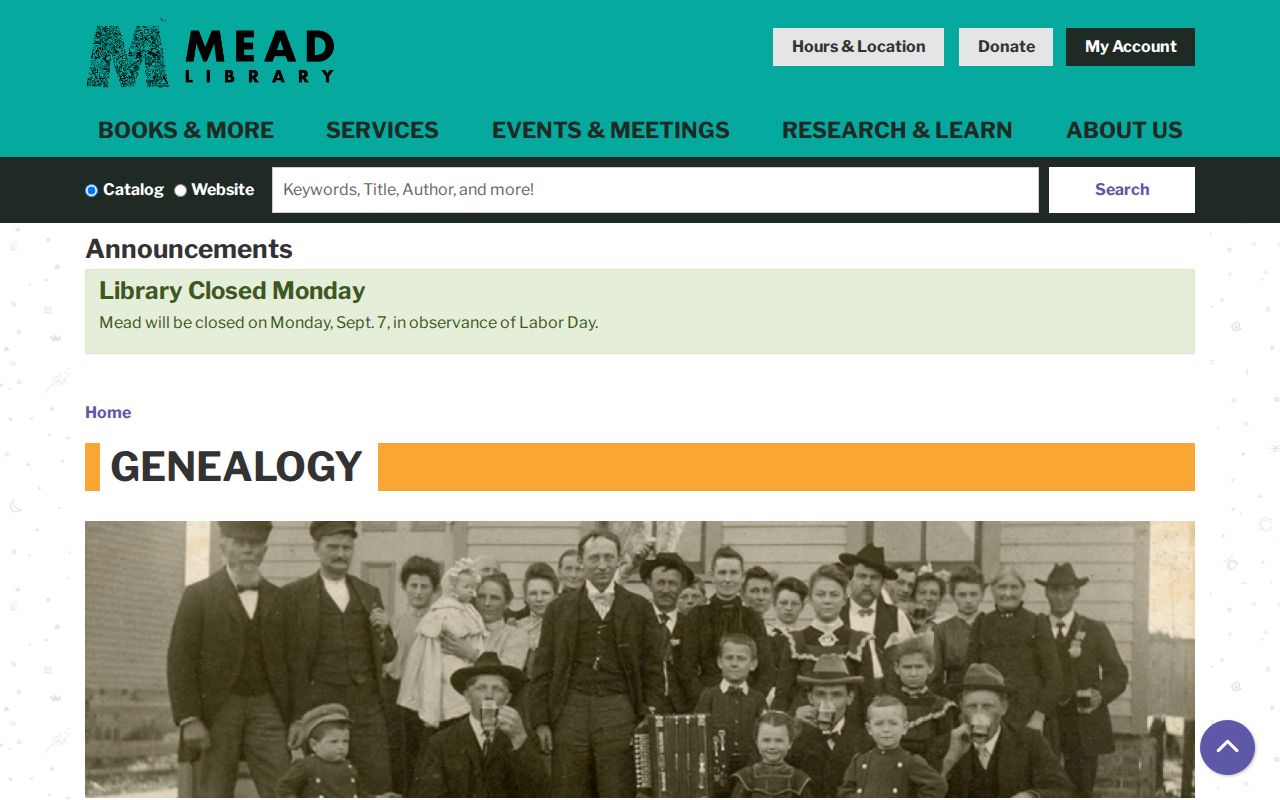
Mead Public Library offers directories, phone books, newspapers, census microfilm, yearbooks, maps, platbooks, and obituary indexes. UW digitized a 25-volume city and county directory collection, including an 1884 A.G. Wright item.
The capture shows Mead's second-floor genealogy resources. Mead local history can place an entry beside news and local files.
For collection detail, use the historical Sheboygan directory book. One volume establishes only what its publisher printed.
Sheboygan House History Layers
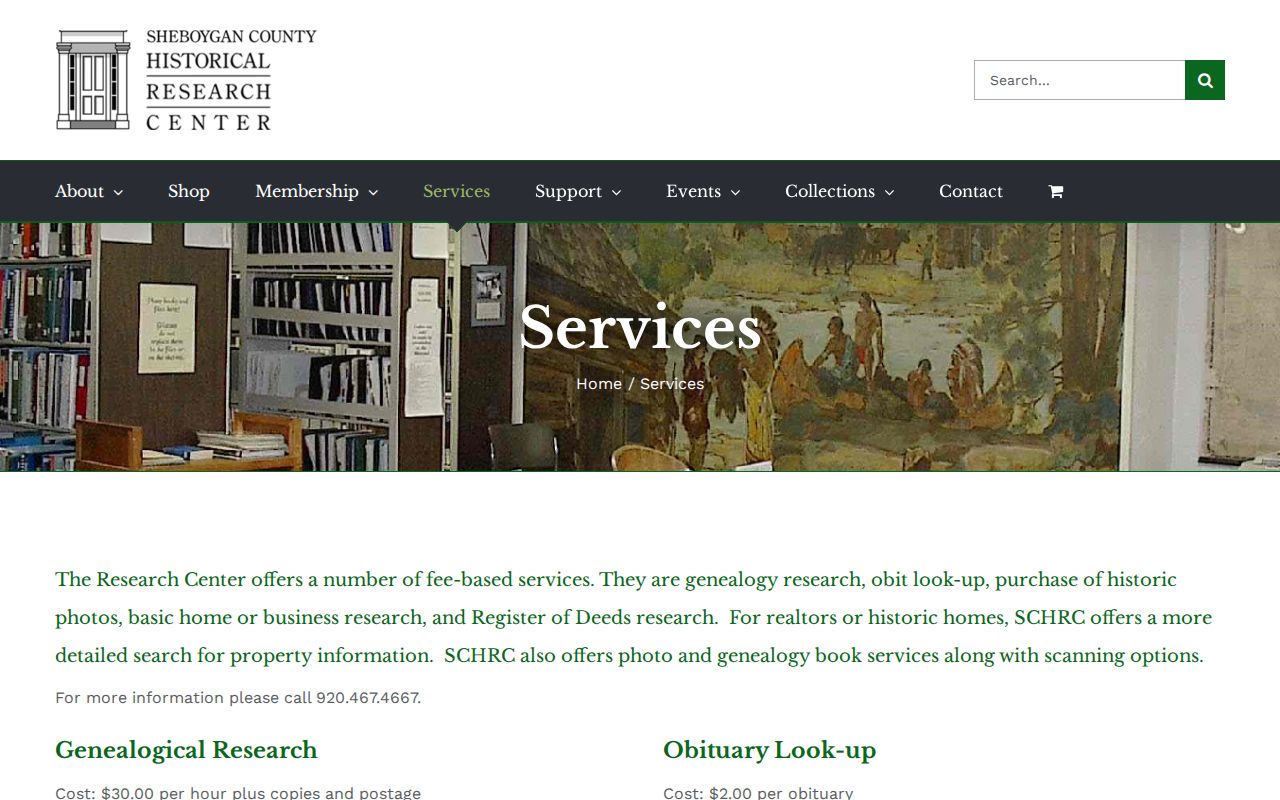
The Sheboygan County Historical Research Center adds family files, marriage-license applications, biographies, diaries, directories, plat maps, photos, and company catalogs. Its historic-house service is listed at $200 per property and may create an owner or occupant chronology with source references.
The capture describes that scope. Check current SCHRC terms before sending an address.
Pair the report with deeds for ownership and directories for occupancy clues. Sanborn sheets add building context.
Sheboygan Confidential Address Limits
Wisconsin Safe at Home gives eligible participants a legal substitute address and protects the actual address. Vital records are confidential under Wisconsin Statutes chapter 69. Juvenile or sealed court material has separate limits. A missing field may reflect law or portal coverage rather than an absent person.
Lawful personal use. Use Sheboygan records for legitimate research, civic questions, family history, or personal safety. Never stalk, harass, intimidate, or harm anyone.
Do not try to defeat confidentiality by combining unrelated fields from separate systems.
Sheboygan Records Keep Changing
The county reported scanning marriage records, County Board proceedings, election results, cemetery records, and other material, with completion expected in early 2026. Annual reports also describe land-record modernization. Portal depth and links may change.
Date-stamp searches and retain record numbers. If an index gap appears, ask whether material is scanned, counter-only, or held elsewhere. That makes the Sheboygan residents directory trail reproducible.
Changes in access do not alter the meaning of a record. A newly scanned marriage item remains subject to the same vital-record rules. A deeper deed index still points to recorded instruments rather than occupants. A migrated parcel screen remains a tax and land source. Save the office name and the date of access so another reader can reproduce the path even if the page address changes.
Note: A portal failure is a cue to contact the custodian, not proof that the underlying record does not exist.
Sheboygan Vital Record Channels
Birth, death, marriage, and divorce records follow a different route from the general Sheboygan residents directory. The county vital-records office handles local ordering, while Wisconsin DHS Vital Records publishes state applications, identification rules, and genealogy guidance. Wisconsin Statutes chapter 69 makes vital records confidential. Eligibility and direct-interest requirements can apply even when a name appears in an older public index.
An index entry is not a certificate. It may help identify a likely event, year, or county, but the certified copy comes from the authorized custodian. State genealogy guidance also distinguishes older research windows from unrestricted public access. Use Mead, WHS, or SCHRC to build a citation first, then order only if eligible. Mail applications need the required identification, fee, and delivery details. Office staff can explain whether a county or state route fits the event.
The official application capture presents the available forms and direct-interest notice. Review the current DHS application page before preparing a request.
The application route preserves both privacy and the evidentiary value of the certified record.
Sheboygan Neighborhood Directory Context
The City neighborhood association page and Sheboygan Neighborhood Pride directory describe recognized groups, public contacts, boundaries, and local chronology. They are civic resources, not membership rolls. No public resident roster was located, so an association name should never be used to infer that a person belongs to it.
Recognition dates offer useful place context. Gateway became official in 2010, Ellis Historic followed in 2011, and later recognitions include Historic Grant, End Park, Kuehne Park, Franklin Park, James Madison-Veterans Park, Farnsworth, and Cleveland Park. Boundaries and names can change, including the 2026 End Park and North Railway note. Check the current boundary page, then compare the location with parcel municipality and the city historic surveys.
Neighborhood information can guide a search toward meeting records, local history, and the right city district contact. It cannot replace a parcel record, deed, or dated directory entry. This difference keeps the Sheboygan residents directory focused on evidence instead of assumed community ties.
The public boundary directory is most useful when a place name appears in a meeting item, historic survey, obituary, or news article. Match the named area to the date of that source. Then use the county parcel map for the official municipality and parcel geometry. A neighborhood boundary may express civic identity while a ZIP describes mail delivery and a ward describes election administration. These layers overlap, but they are not interchangeable.
Public association contacts can explain local projects, recognition history, or meeting records. They should not be asked to disclose private member information. For an official city action, request the resolution, agenda, minutes, or map from the City Clerk. For the physical parcel, return to GIS. For an older household, consult the library collection. That source-by-source method keeps community context useful without turning a civic group into an unsupported roll of residents.
Sheboygan Newspaper and Obituary Trails
Newspapers and obituary indexes can connect a name with relatives, an address, a business, or a public event when modern resident rolls cannot answer a historical question. Mead Public Library documents English- and German-language Sheboygan newspapers beginning in 1838. Its manually prepared Sheboygan Press index covers 1940 through 2008, while the separate obituary index covers 1968 through 1995. The Sheboygan County Historical Research Center now maintains the obituary index. These collections overlap, but neither should be treated as a complete name list.
Search spelling variants and initials before concluding that no item exists. German-language forms, married names, transcription choices, and a changed street number can hide an otherwise relevant entry. Begin with a directory year or known event date, then narrow the newspaper search. An obituary can supply family relationships and a last address, but it describes the facts reported at publication. Confirm an event through the appropriate vital-record or court channel when a certified record is needed.
Mead also holds church histories and two church-record microfilm reels. Those sources may preserve a family event that does not appear in a civil index. Census microfilm covers 1820 through 1920 except 1890, which was destroyed by fire. A gap in that year is therefore a known source loss, not a failed Sheboygan residents directory search. Use directories on both sides of the missing census, then compare news, church, plat, and deed evidence.
Access begins online with Mead and SCHRC collection descriptions. The deeper work may require Mead's second-floor research desk, an SCHRC request, or Wisconsin Historical Society material. Ask for a specific surname, year range, newspaper, address, or church instead of an unrestricted person file. Preserve the title, date, page, repository, and access date for every hit. That citation lets another researcher distinguish a published association from a verified residence or vital event.